Listen to the Blog Post
Cabinet refacing makes sense when your existing cabinet boxes are structurally sound, your kitchen layout works, and you primarily want a new look. Cabinet replacement is worth considering when damaged cabinetry, an inefficient layout, or storage needs call for more substantial changes.
When it comes to kitchen cabinet makeovers, the decision to reface or replace your cabinets affects both their appearance and how they function. Understanding the differences can help you put your remodeling budget toward improvements that meet your needs.
In this article, we’ll explore the advantages and limitations of each approach so you can make an informed choice for your home and family.
Refacing and Replacing Kitchen Cabinets: A Comparison
When considering updating your kitchen cabinetry, you’ll likely encounter two main options: refacing and replacing. Each method offers distinct advantages and disadvantages.
Refacing involves updating the visible parts of your cabinets. This typically includes replacing the drawer fronts and cabinet doors while leaving the existing cabinet boxes intact. Exposed areas can be covered with new materials, such as veneer or laminate, to match the new doors.
Replacing cabinetry involves removing the old cabinet boxes and installing new ones. You can choose from a wide range of styles, materials, and finishes, with the opportunity to change cabinet sizes and locations.
Here is how the two options compare:
| Consideration | Cabinet Refacing | Cabinet Replacement |
|---|---|---|
| Cabinet condition | Requires sound cabinet boxes that are suitable for new finishes and hardware. | Allows damaged, deteriorated, or poorly functioning cabinetry to be removed. |
| Layout flexibility | Generally preserves the existing cabinet locations and dimensions. Layout changes require additional work beyond refacing. | Allows cabinet sizes and locations to change, subject to the kitchen’s dimensions and other project constraints. |
| Storage options | Some pull-outs, organizers, and upgraded drawer components may fit existing cabinets. Options depend on cabinet dimensions, construction, and condition. | Offers greater flexibility to plan drawer configurations, pantry storage, and accessories around your needs. |
| Disruption | Generally involves less demolition and a shorter installation period when the scope is limited to refacing. | Generally involves more removal and installation work, especially when combined with layout, countertop, or utility changes. |
| Relative investment | Often costs less when existing boxes remain and additional changes are limited. Premium finishes and extensive modifications can narrow the savings. | Often requires a larger investment, with costs influenced by cabinet quality, customization, installation, and related remodeling work. |
Refacing vs. Replacing Kitchen Cabinets: Pros & Cons
The decision between a cabinet refacing project and cabinet replacement depends on several factors, including your budget, timeline, and desired upgrade level.
Pros of Refacing Kitchen Cabinets
Convenience and Minimal Disruption
One of the primary benefits of refacing is the reduced disruption to your household. Unlike a full kitchen remodel, which involves demolition and construction, refacing only involves replacing the doors and drawer fronts while leaving the existing cabinet boxes.
Lower Initial Cost
Refacing cabinets generally has a lower initial cost than complete replacement. By preserving the existing cabinet boxes, you can save on purchasing and installing new ones. The savings depend on the finishes, repairs, and additional features included in the project.
Preservation of Existing Countertops
If you like your existing countertops and they are in good condition, refacing allows you to retain them without needing replacement. This can save money as countertops are a significant component of any kitchen renovation.
Ideal for Short-Term Homeowners
Refacing can be a sound option for homeowners who don't plan to live in their home for an extended time.
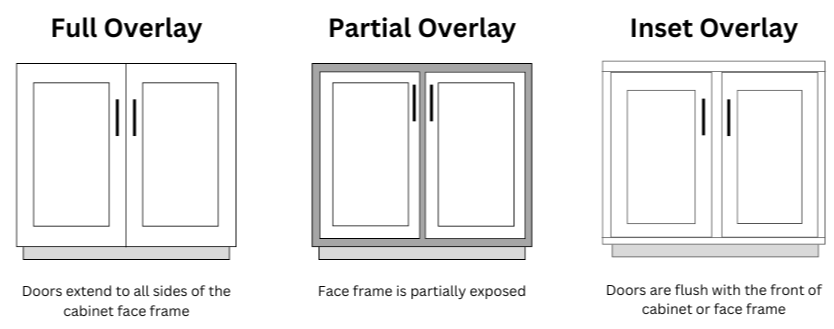 Cons to Refacing Kitchen Cabinets
A Temporary Fix: Underlying Cabinet Problems May Remain
While refacing can give your kitchen a new look, it does not repair structurally unsound cabinet boxes. Significant moisture damage, swelling, or failing joints should be evaluated before investing in new doors and finishes.
Some issues, such as worn drawer slides, damaged drawer boxes, or sagging shelves, may be repairable without replacing all the cabinetry. The distinction is whether the cabinet boxes provide a reliable foundation for those improvements.
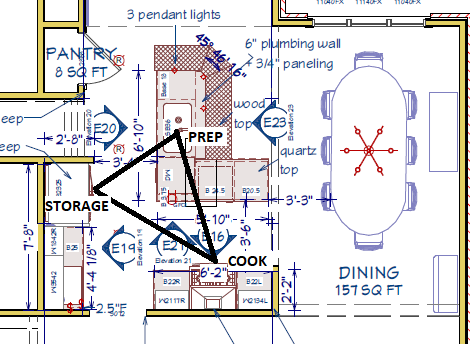 Stuck with the Same Layout
Because the cabinet refacing process typically involves replacing the doors and drawer fronts while retaining the existing cabinet boxes, it is a cosmetic upgrade that won’t improve your kitchen's fundamental floor plan or layout.
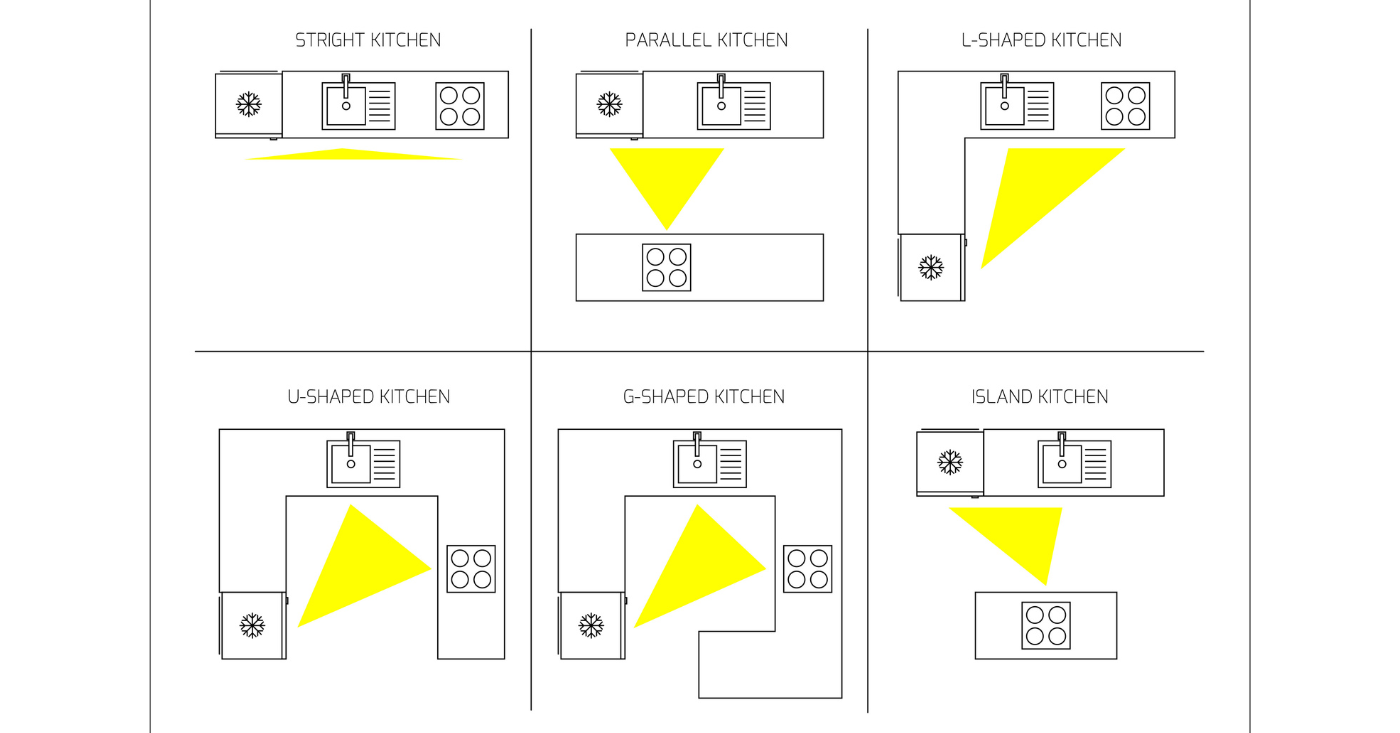
This means you're stuck with the same layout, even if it's not the best fit for your needs. If your kitchen has a poor work triangle, inadequate space for entertaining, or a closed-in feel, refacing won't address these fundamental issues.
Design Constraints
Refacing offers a range of door styles and finishes, but your choices depend on the provider and how the new materials work with your existing cabinetry.
The cabinet dimensions and construction also remain largely unchanged. If your plans call for substantially different cabinet proportions, configurations, or specialized features, replacement may offer more flexibility.
Limited Flexibility to Improve Storage and Functionality
Because refacing retains the existing cabinet boxes, it limits how much you can change your kitchen’s storage, layout, and accessibility.
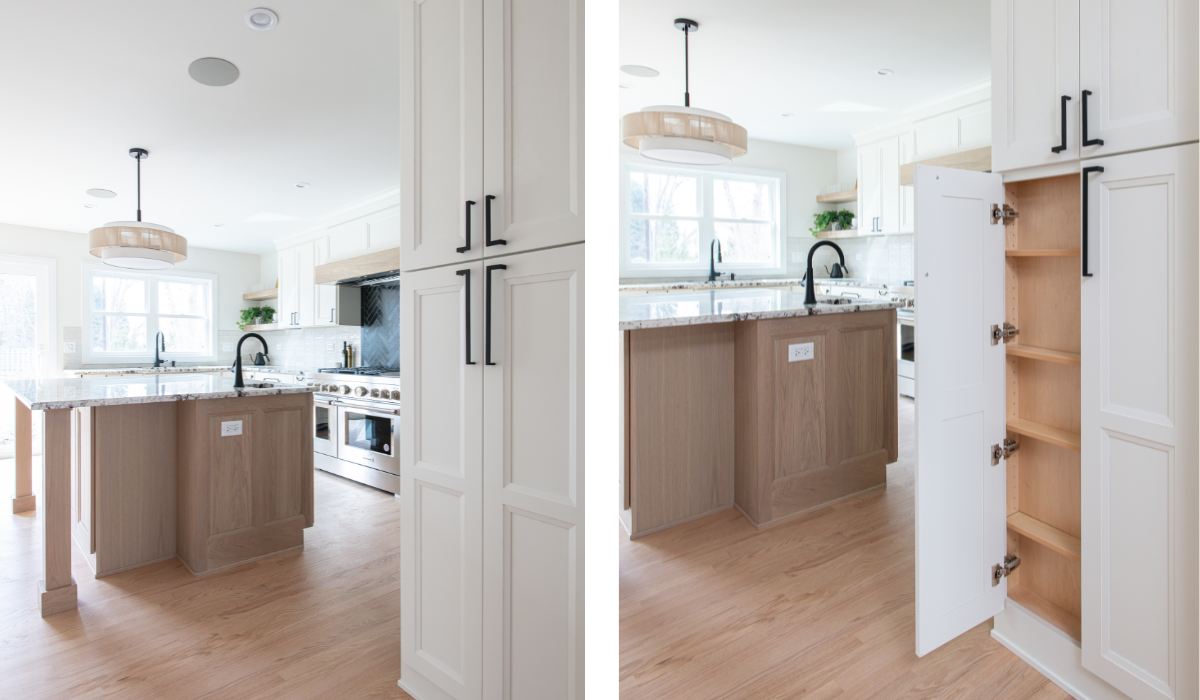
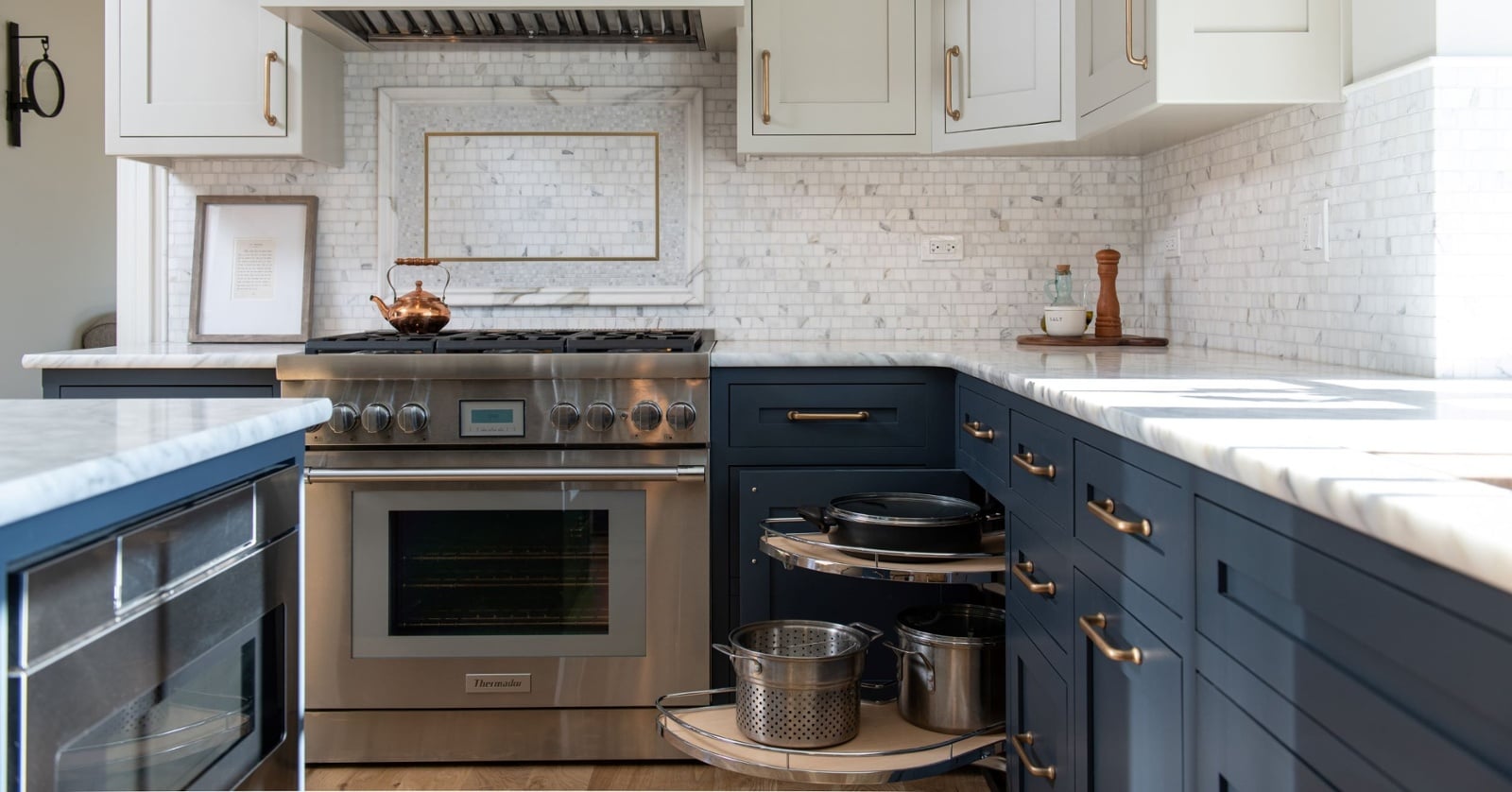
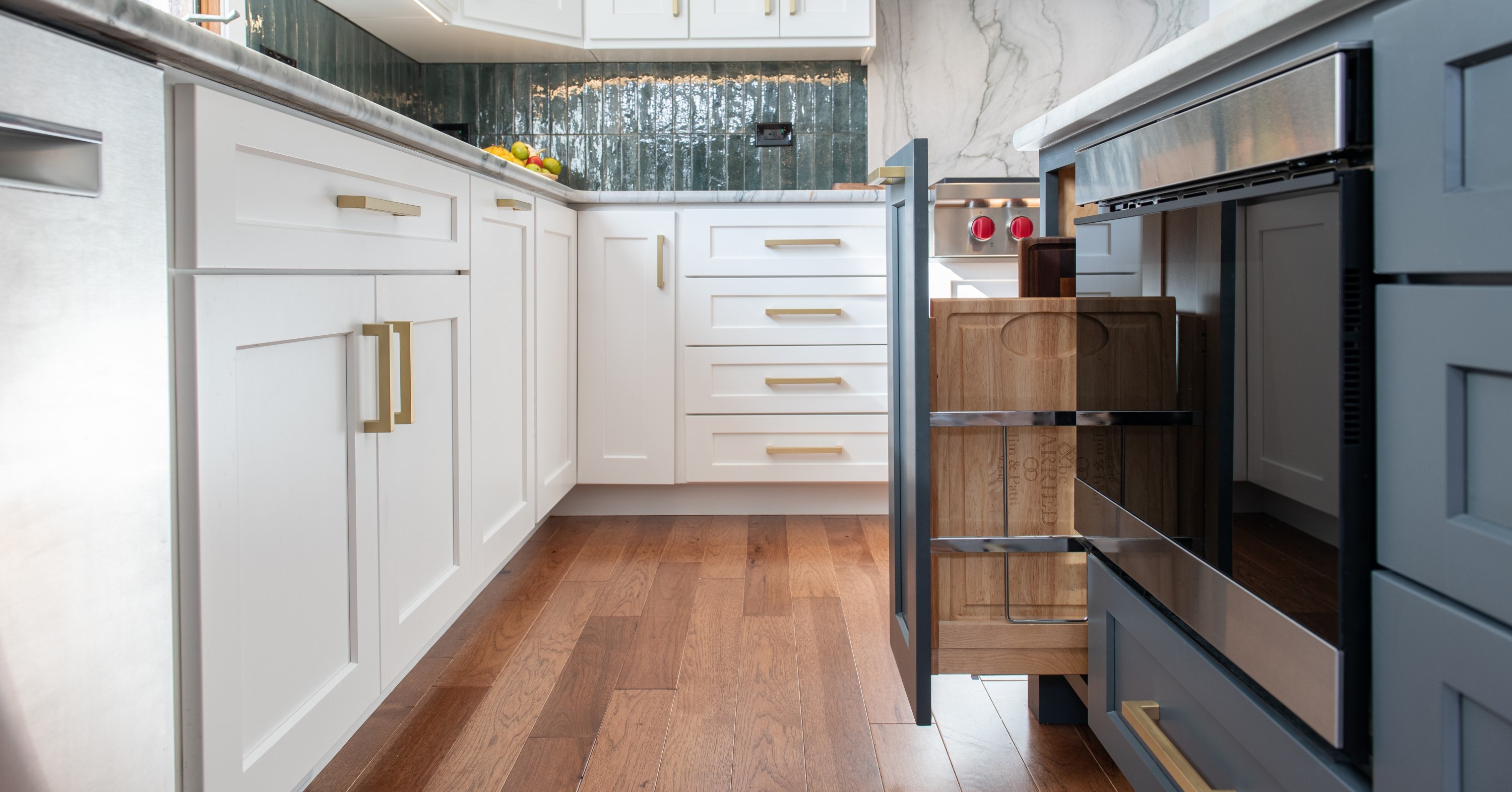
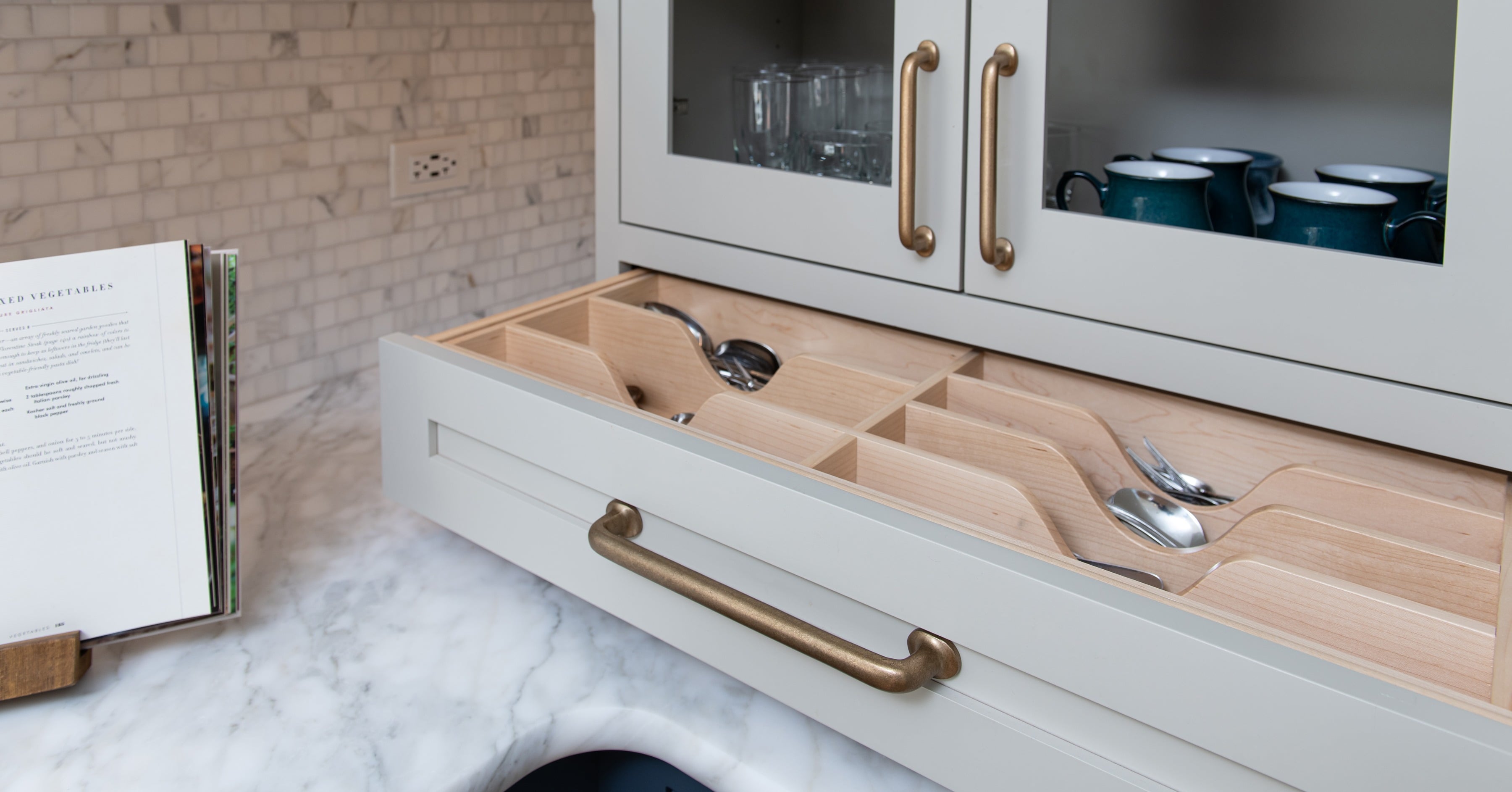
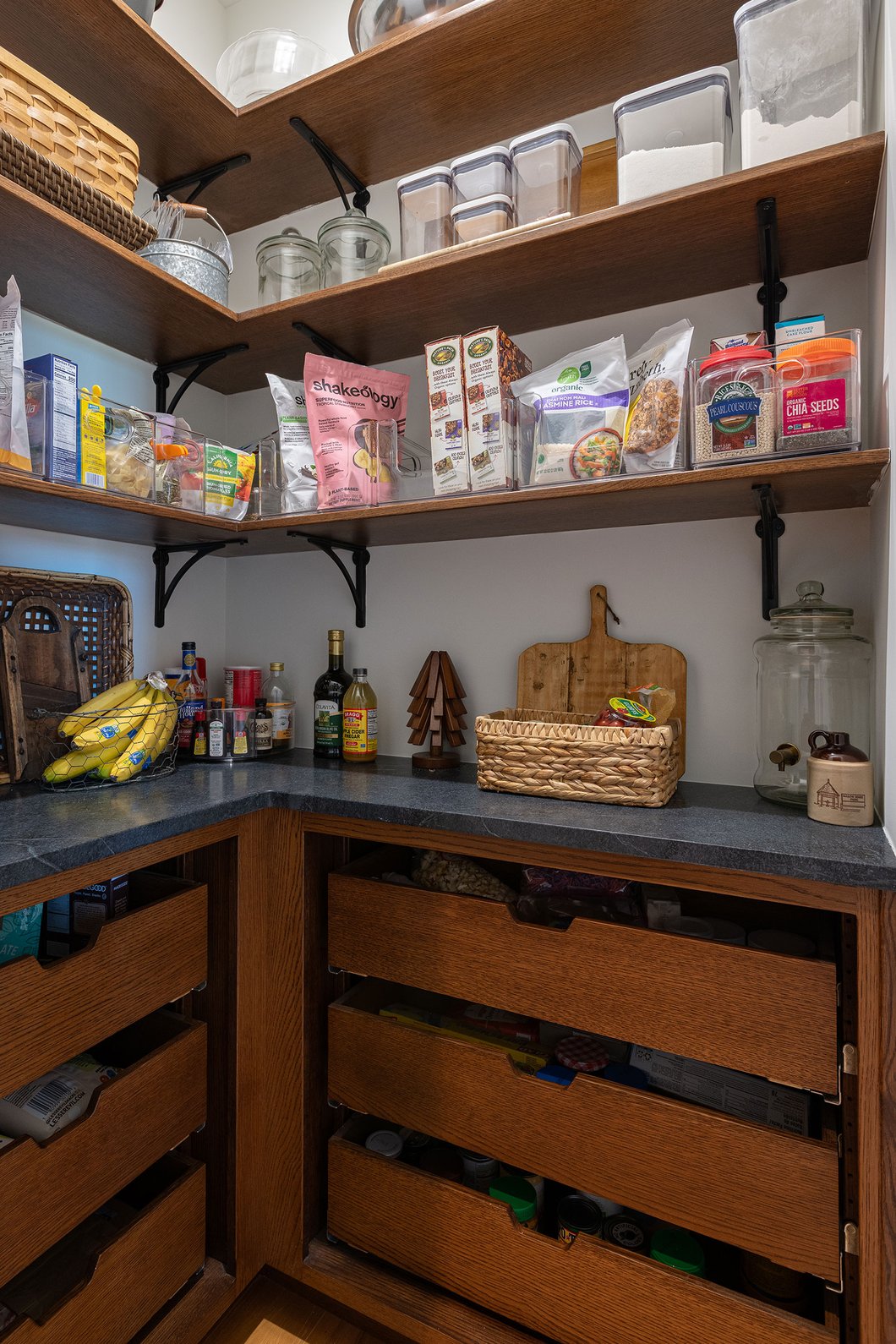
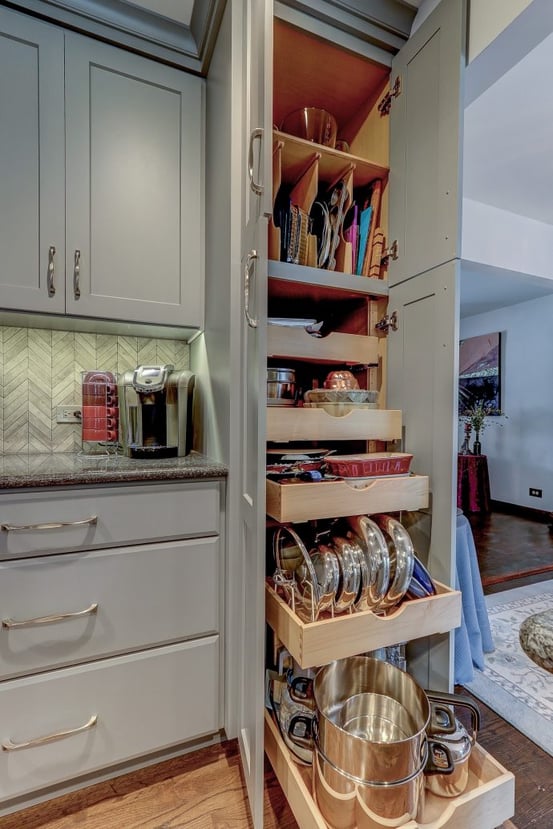
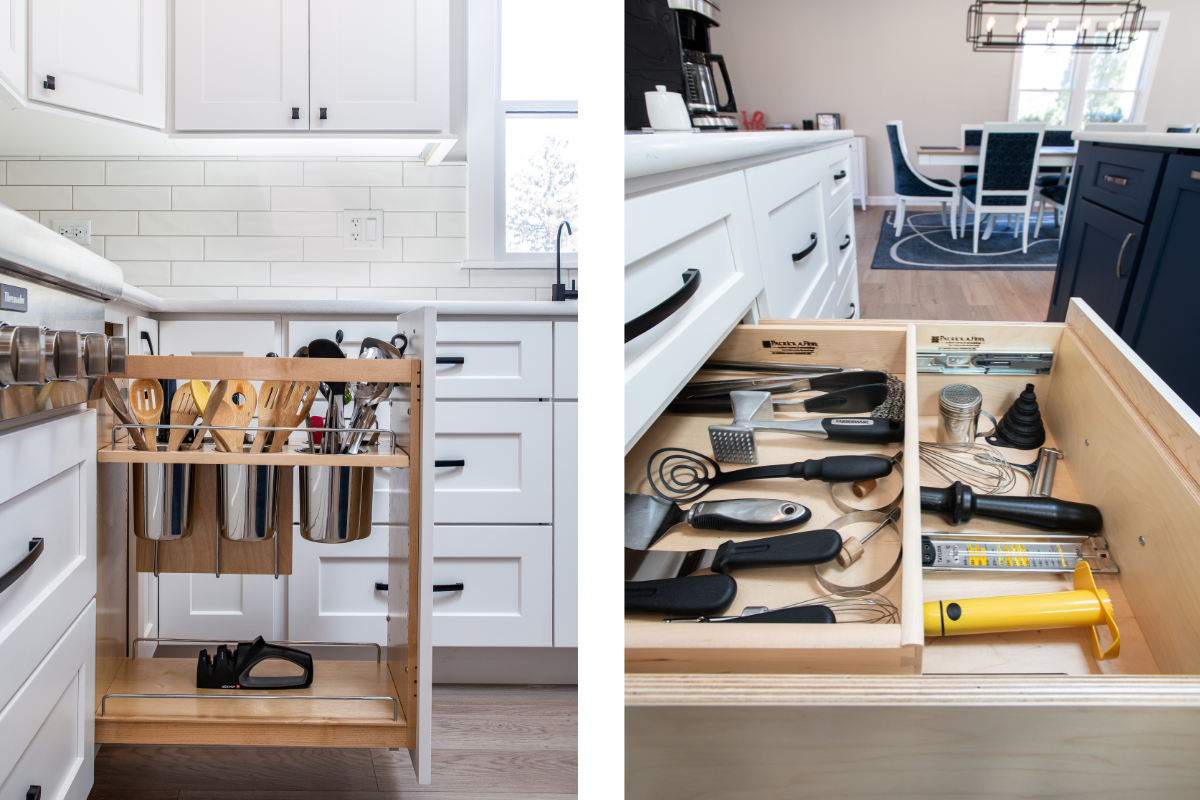
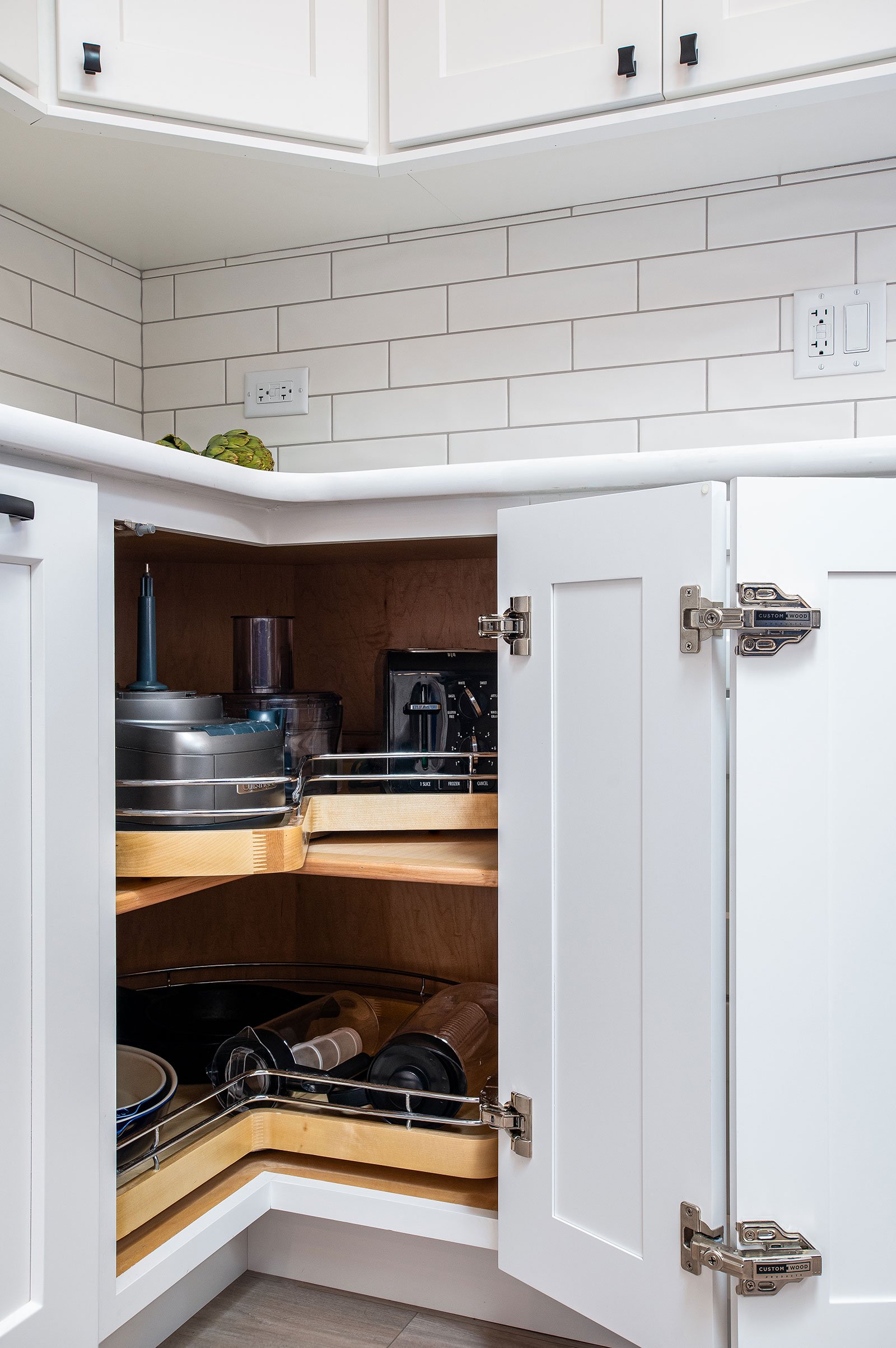
Some cabinets can accommodate modern upgrades such as pull-out shelves, organizers, or new drawer components, but compatibility depends on their dimensions, construction, and condition. Features like blind corner pull-outs, heavy-duty pot and pan drawers, or designated appliance storage may require more extensive modifications. If you need substantially more storage or a different cabinet arrangement, replacement offers greater flexibility to design around your needs.
Limited Appliance Choices
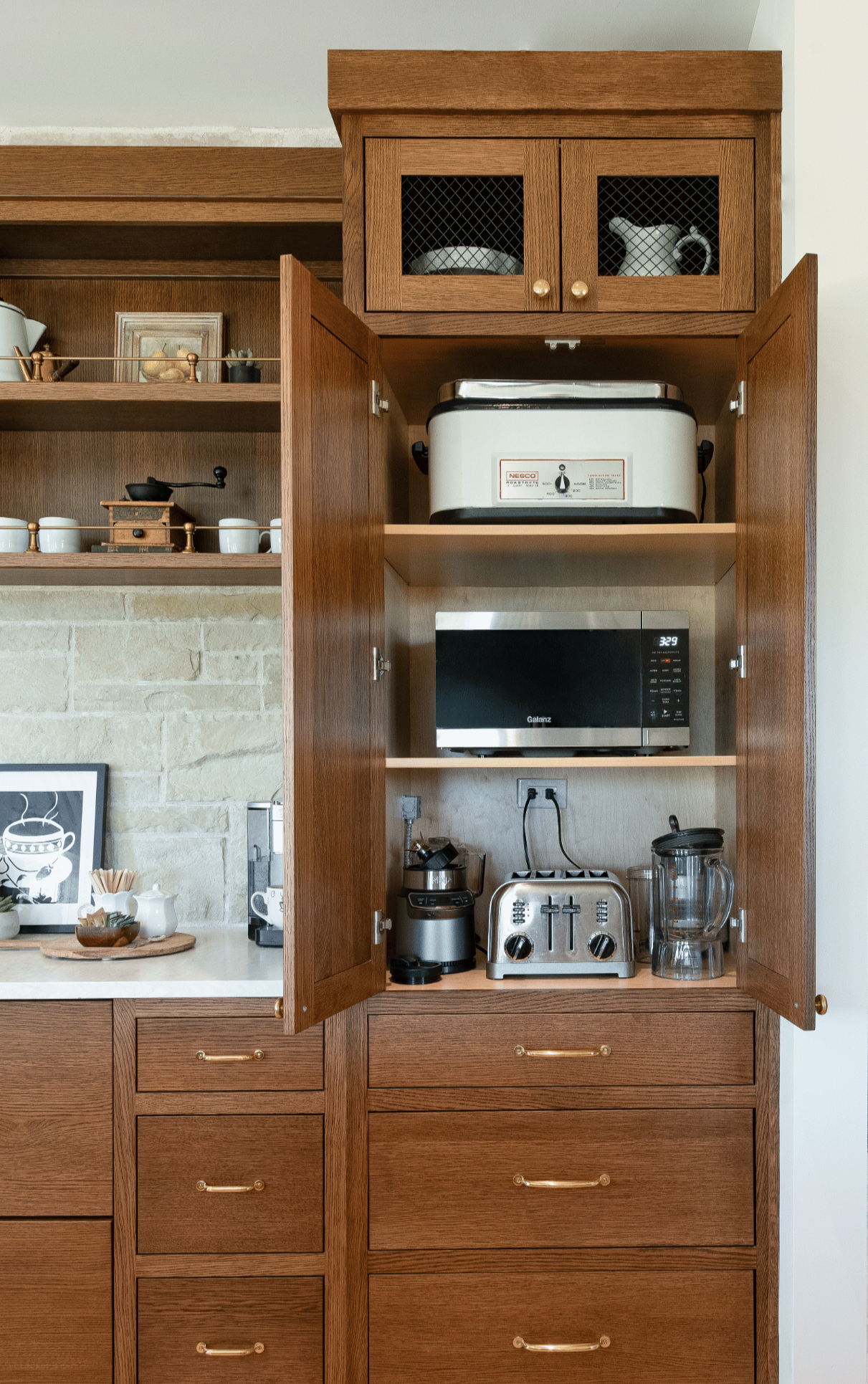
Retrofitting old cabinets to fit today’s modern appliances can be very difficult. Because of this, you may be significantly limited in the size and style of appliances when it comes time to replace them. This means you will miss out on modern appliances' features and may have to compromise on your kitchen’s design and aesthetic.
 Potential Safety Risks
Refacing doesn't address potential safety hazards like outdated electrical wiring or plumbing issues. Electrical wiring and plumbing pipes are often hidden behind cabinets. A full replacement provides an opportunity to ensure your kitchen is up to code and safe for your family. Refacing may not reveal these issues, which could lead to costly repairs or even safety risks.
Mold and Pest Issues
Mold and pest infestations can be significant problems hidden within cabinets. Water damage, inadequate ventilation, or high humidity can create ideal conditions for mold growth, leading to potential health risks like respiratory issues and allergies.
Additionally, cabinets can become breeding grounds for pests such as cockroaches, ants, or mice, contaminating food, damaging the cabinets, and creating unsanitary environments. When you opt for a full replacement, you can address these underlying problems and create a healthier, more hygienic kitchen environment. Additionally, modern cabinets are often designed with features that improve ventilation and moisture control, helping to prevent future problems.
Is it Better to Reface Cabinets or Replace Them?
While refacing can be appealing because of its convenience and lower initial cost, it is important to consider whether it will address the reasons you want to update your kitchen.
Use this checklist to help guide your decision:
Refacing may be the better fit when:
- Your cabinet boxes are structurally sound.
- Your current layout works well.
- You mainly want new doors, finishes, and hardware.
- Your storage needs can be met within the existing cabinetry.
Replacement may be the better fit when:
- Your cabinet boxes have substantial damage or deterioration.
- Your layout interferes with cooking, gathering, or moving through the kitchen.
- You need different cabinet sizes or storage configurations.
- Your appliance or accessibility needs require more extensive changes.
Hidden Costs of Refacing
If your cabinets are structurally unsound or made of low-quality materials, refacing could merely mask the underlying problems. These issues may eventually lead to more significant repairs or replacements, increasing the overall cost.
Saving for a complete cabinet replacement might be a better long-term strategy than refacing, which can lead to double the cost over time.
The Value of a Complete Replacement
If you plan to stay in your home, cabinet replacement may offer lasting value when it solves problems the existing cabinetry cannot.
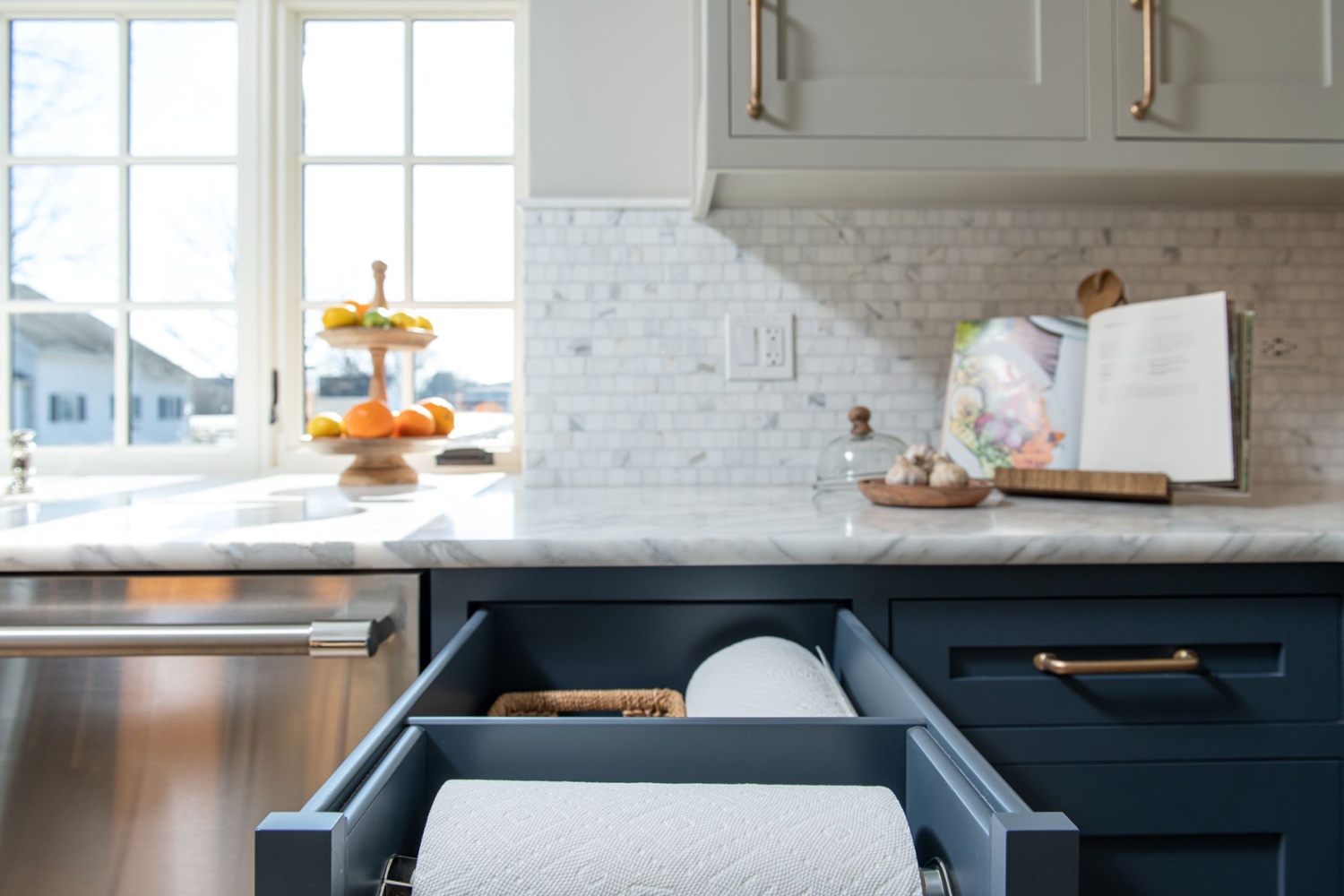
A new cabinet plan can provide more useful storage, better appliance placement, and easier access to frequently used items. These improvements can help the kitchen support your family’s routines, whether you are preparing meals with children or planning for greater comfort as you grow older.
Replacement generally requires a larger investment and more disruption. Its value depends on the quality of the design, materials, and installation, rather than simply the fact that the cabinets are new.
Beyond Aesthetics
A kitchen remodel isn't just about looks; it's an investment in your family's well-being.
A kitchen remodel is about more than appearance. It is an opportunity to address the functional problems that affect how you use your home on a daily basis. Small frustrations around the house can make busy family routines harder than they need to be. Are mornings spent searching for missing homework? Does everyone crowd into the same space as you try to get out the door on time? When your home doesn’t support your family’s routines, these recurring challenges can create unnecessary stress.
By fixing the functional problems in your kitchen, you're creating a space that supports your daily routines and enhances your quality of life. If you want more than just a superficial update and want to address the underlying issues that affect your daily life, a complete remodel is the way to go.
If your frustrations involve the layout, limited work areas, or storage that cannot be improved within the existing cabinetry, a more comprehensive remodel may be worth considering. If the kitchen already functions well, a smaller update may be sufficient.
Discover how thoughtful kitchen improvements can support your family’s routines, reduce frustrations, and make time together more enjoyable in the article, Why a Kitchen Remodel Is an Investment in a Better Quality of Life, Not Just Better Meals.
Maximizing Your Investment Through A Strategic Design-Build Partnership
Partnering with a reputable design-build firm ensures your kitchen remodel addresses underlying issues and delivers a final result that meets all of your needs.
These professionals will help you:
- Identify Hidden Problems: They will assess existing conditions and uncover structural instability, outdated wiring, or plumbing issues that may be hidden behind your cabinets.
- Define Your Priorities: A high-quality design-build firm will help you identify where your needs and priorities lie, whether it's additional storage, a better layout, new appliances, or additional countertops and seating space. Their expertise will help you optimize your kitchen layout, ensuring it's functional, supports your habits, and reflects your unique design style. By partnering with a design-build firm, you'll gain invaluable guidance in defining what truly matters in a kitchen renovation and how to design a space that's perfect for you and your family.
- Choose Quality Materials: Design-build firms offer access to a network of reliable suppliers, helping you choose durable, long-lasting materials for your kitchen. Leveraging their experience and knowledge, design-build contractors can guide you through material purchasing and component selection. They typically handle material procurement, offering expertise in pricing, lead times, and potential supply chain challenges.
- Manage the Entire Project: Effective project management is key for any remodeling project. Design-build firms with dedicated project managers offer a streamlined approach, reducing delays and miscommunication. Project managers ensure the project stays on track, handle logistics, and maintain quality, making the renovation process less stressful.
- Maximize Your Investment: Their expertise will guide you in making informed decisions about materials, finishes, and features that enhance your home's value and provide long-term enjoyment. They'll also help you create a Comprehensive Master Plan outlining necessary changes over time within a manageable budget. This holistic approach ensures your renovation process is prioritized correctly from a construction, budgetary, and personal perspective. By considering your home and needs as a whole, a master plan helps avoid costly rework or the need to undo past remodeling projects.
 Make an Informed Choice
The decision between kitchen cabinet refacing and replacement hinges on your specific needs, budget, and long-term goals. While refacing offers a quick and cost-effective way to refresh your kitchen's appearance, it often falls short in addressing underlying issues and enhancing functionality. On the other hand, a full cabinet replacement not only revitalizes your kitchen but also provides an opportunity to create a space that meets your family's needs for years to come.
By partnering with a skilled design-build firm, you can ensure that your kitchen remodel is well-planned, executed efficiently, and tailored to your unique lifestyle. This will ultimately maximize your investment and elevate your home's value. Whether you choose to reface or replace, understanding your options and the potential impact on your daily life is key to making the best choice for your kitchen makeover.
Learn more critical insights about kitchen remodeling by reading this eBook, "Elevate Your Everyday: The Kitchen Remodel Guide for Style and Function."

Frequently Asked Questions About Cabinet Refacing vs. Replacement
Can I Keep My Countertops?
Often, yes, when refacing because the cabinet boxes remain in place. Your contractor should confirm that the work can be completed without disturbing them. Reusing countertops during cabinet replacement is less predictable because removal can damage them, and the new cabinetry must provide the correct fit and support.
Can Refacing Change My Kitchen Layout?
Refacing alone generally keeps your existing layout. Moving cabinets, changing appliance openings, or adding an island requires additional work. Some projects combine refacing with new cabinetry, but those changes affect the scope, cost, and disruption.
When Are Cabinets Unsuitable for Refacing?
Cabinets may be unsuitable when the boxes have significant water damage, swelling, failing joints, or deterioration that prevents reliable repairs or installation of new materials. Age or material alone does not determine suitability. The cabinetry’s condition and the proposed work should be assessed together.
Can I Add Storage Accessories Without Replacing Cabinets?
Yes, some existing cabinets can accommodate pull-out shelves, organizers, dividers, and upgraded drawer components. The options depend on cabinet dimensions, openings, construction, and mounting strength. Confirm compatibility before purchasing accessories.